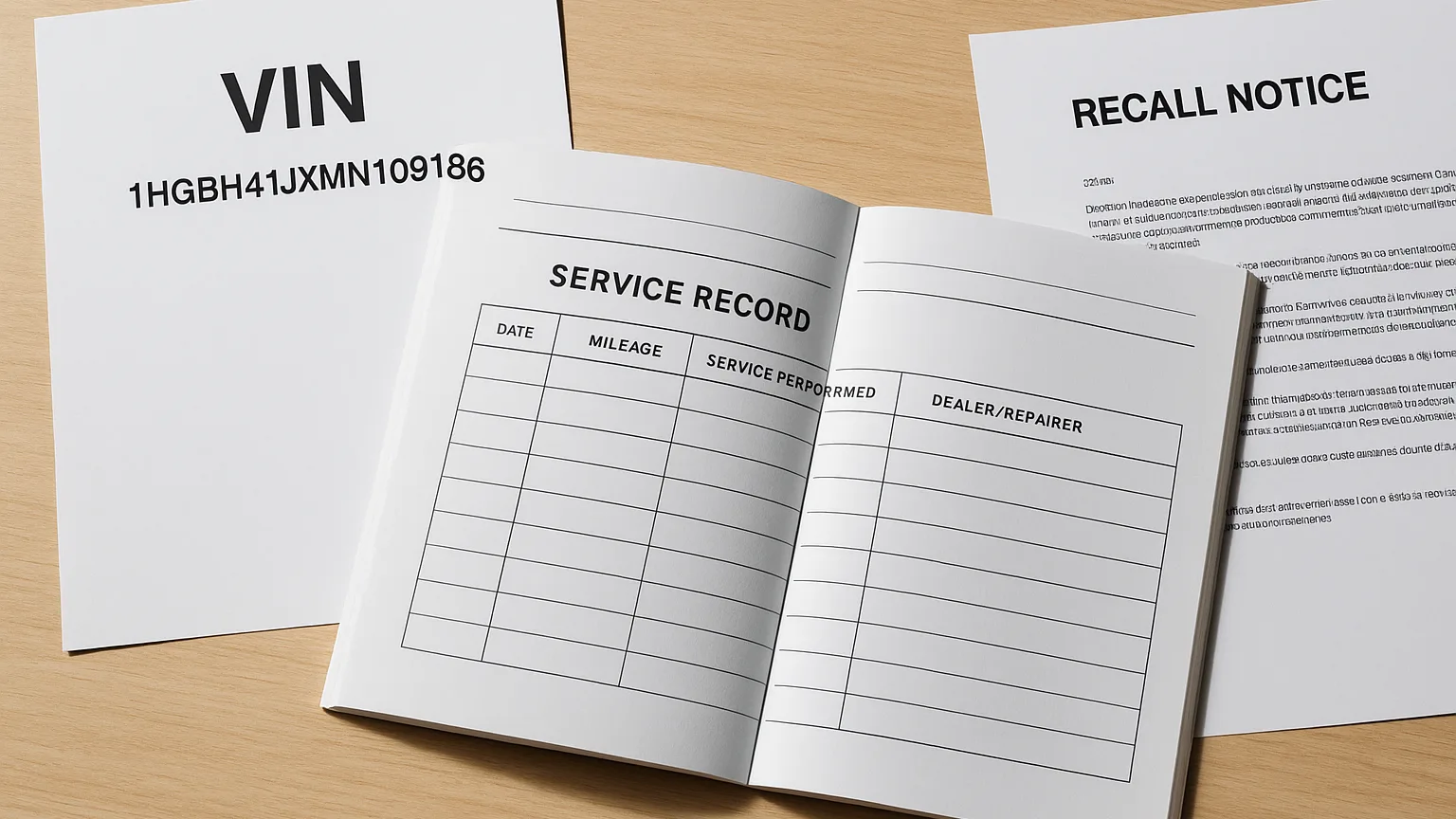
A recall letter feels easy to ignore. The car still drives fine. The lane assist still works most days. So the notice goes in a drawer. But that letter is a dated record that says you were told about a problem. If your driver-assist system fails after that date, the letter can end up in an insurance file with your name on it.
The Recall Notice Is a Receipt With a Date on It
Think of a recall notice like a receipt. It shows the day the maker warned you, what part or software was at fault, and that the fix was free. Each week that passes after that date makes the gap longer and harder to explain.
Most recalls for self-driving features are software updates. Some need a new camera, radar unit, or wiring. Either way, the fix often takes an hour or two. That short repair time is exactly why a long delay looks bad later, when an adjuster asks a simple question: "Why didn't you fix it?"
How a Skipped Fix Changes the Fault Story
Before the Notice
If a system fails before you get a recall letter, blame tends to point at the maker. You had no way to know. That is a strong spot to be in if you are hurt.
After the Notice
Once you know, things change. Many states use shared fault rules, so blame can be split. If you skipped a known fix, some of the fault may shift to you. Even a small share can cut what you get paid, and in some states too much shared fault can block a claim entirely.
Timing inside the crash matters too. Many driver-assist systems hand control back to you with very little warning, and who is at fault in those seconds often comes down to what the car's own reaction logs show. If those logs also show an open recall, the story gets worse for the driver.
What Adjusters and Lawyers Check First
After a crash involving a driver-assist car, the review tends to follow a pattern. Here is what usually gets pulled:
- Your VIN recall history. Open recalls show up fast in public records.
- The mail date. When the maker sent your notice, and how many reminders followed.
- Software version. The car records which update it was running at the time.
- Service records. Did you visit a shop after the notice and decline the fix?
- Warning lights. Any fault codes or alerts logged in the weeks before.
That last point catches many drivers. If your car flashed a sensor alert and you kept driving, it adds to the problem. The same goes for knowing when a fault light means your braking help may be gone. A warning plus an open recall is a hard pair to defend.
A Week-by-Week Look at Waiting
Week One
Most people get a pass here. Life is busy and mail gets lost. A crash this early is often seen as bad luck.
Weeks Two to Six
Reminders start to arrive by mail, email, or app alert. Now there is a trail, and each reminder is another date you knew.
Two Months and Beyond
This is where the story turns. Shops had open slots. Parts were in stock. The delay starts to look like a choice. Dana Whitfield, a claims consultant, puts it plainly: "Nobody expects you to fix it the same day. But after a couple of months, it reads like you decided not to."
Check Your VIN in About Five Minutes
You do not need a shop to see if your car has an open recall. Do this today:
- Find your 17-digit VIN on the driver-side dash, the door frame, or your insurance card.
- Enter it on the federal recall lookup site or your car maker's owner page.
- Read every open item, not just the first one. Some cars have several.
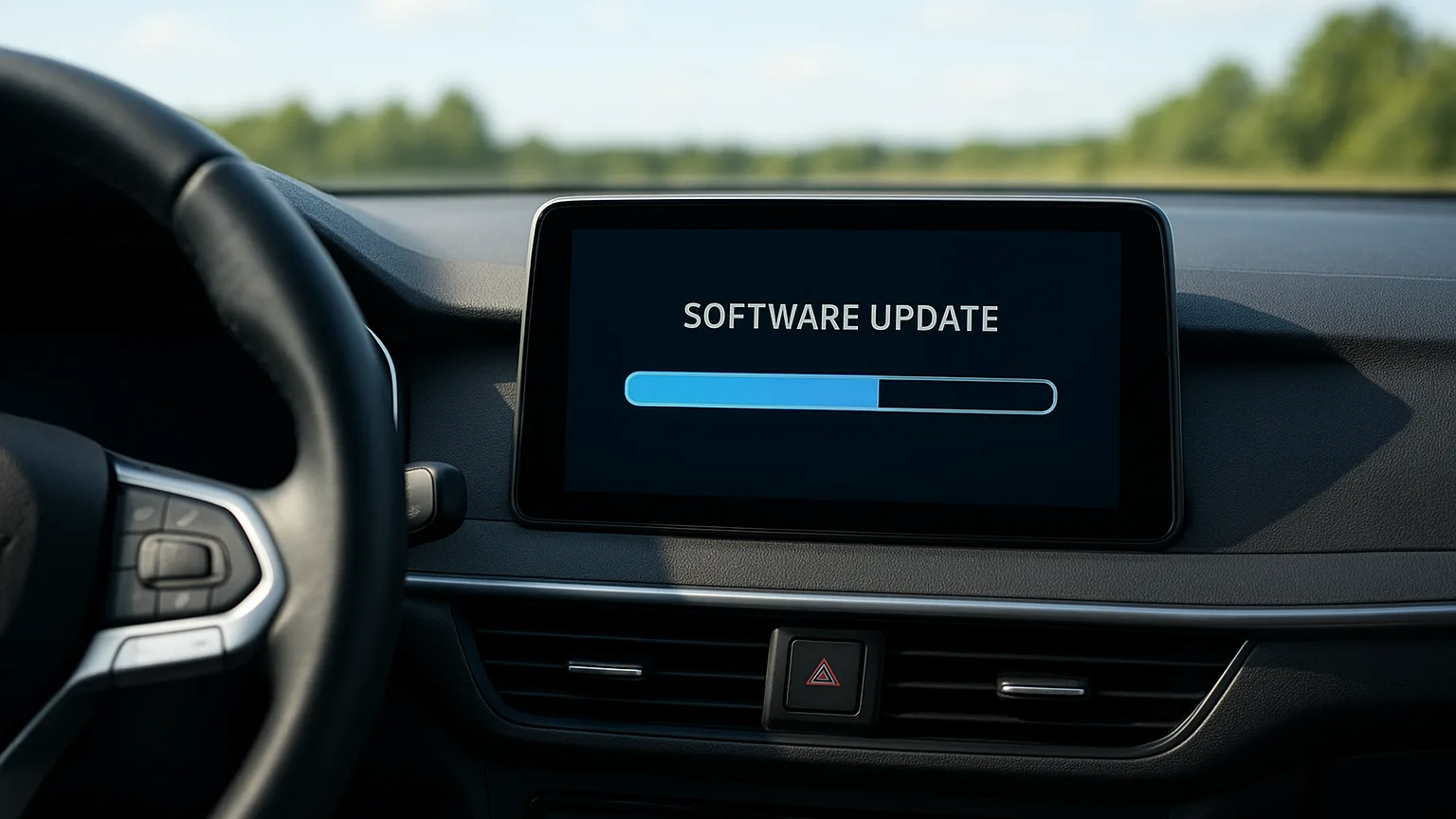
- Check your car's app or screen for pending software updates.
- Take a screenshot with the date. It helps show you acted.
If nothing shows up, check again in a month. New recalls get added often, and driver-assist software is updated more than most car parts.
Book the Fix the Smart Way
Call and ask for the first open slot. Say the word "recall" so it gets flagged. Ask if the fix needs a camera or radar to be calibrated after. Many do. A sensor that is off by a tiny angle can see the road wrong, which is why drivers who had glass work done should also think about recalibrating after a windshield swap.
Use the visit well. Ask the shop to check for other open items and stored fault codes, and get a printed record listing the recall number and the date it was done. Keep it in your glove box and as a photo on your phone. While the car is in, have a tech look at your fluids, tires, and brakes. Even something as simple as knowing what color your car oil should be builds a record that shows you take upkeep seriously, and that record helps if anyone ever asks.
Mike Delgado, a service lead who handles driver-assist repairs, sees the same pattern often: "People wait because the car feels fine. But these systems don't feel broken until the moment they fail."
Close the Gap Before It Closes Your Claim
An open self-driving recall is not just a repair task. It is a dated record that you were warned, and the longer it sits open, the more a failure looks like your choice instead of bad timing. The fix is simple and usually free. Look up your VIN today, book the first open slot, ask about calibration, and keep the paperwork. Waiting does not save time. It only makes the paper trail longer.