New notebooks, fresh sneakers, and a packed lunch are checked off the list, but there's one thing most parents forget entirely before the school year begins, and it's sitting right in the driveway. While the focus in late summer tends to shift toward school supplies and schedules, the vehicle that carries your kids through morning drop-offs and after-school pickups often doesn't get a second glance. That's a problem, because a car that hasn't been properly inspected can carry risks that no backpack or permission slip can fix.
The numbers from the road tell a sobering story. According to the National Highway Traffic Safety Administration, more than 1,000 people died in school-transportation-related crashes over a single decade, with children making up nearly 200 of those fatalities. Many of those incidents trace back to mechanical failures, driver inattention, and vehicles that simply weren't ready for the demands of busy school-day traffic. The school year ramps up fast, and your car needs to be just as prepared as your kids.
This guide is built for parents who want to do right by their families before the chaos of the school year sets in. It covers the mechanical checks, the safety systems, the paperwork you might be ignoring, and the one step that too many people skip entirely. Work through these items now, and you will start the school year with one less thing to worry about.
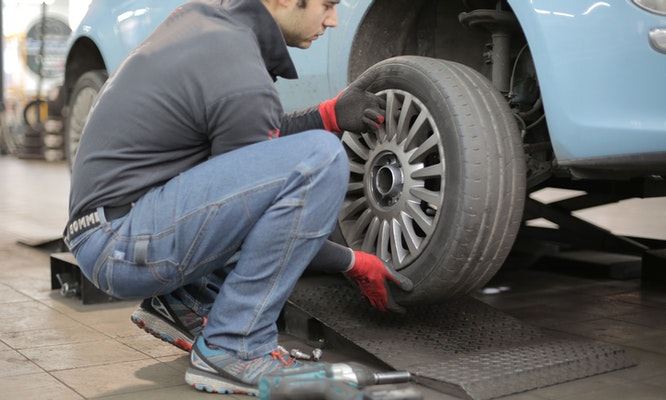
Your tires are the only part of your vehicle that actually makes contact with the road, which makes them one of the most important safety components on the entire car. Yet most parents rarely give them a real look outside of a gas station glance. Before the school year starts, take 10 minutes and give each tire a proper inspection.
Start with tread depth. The quarter test is one of the easiest methods available: insert a quarter into the tread groove with Washington's head facing down. If you can see the top of his head, your tires are worn enough to warrant replacement. Tread depth matters enormously in wet weather, and fall brings plenty of that. Beyond tread, check for uneven wear patterns, sidewall cracks, and bubbling, all of which point to tires that need attention before they become a hazard.
Don't forget tire pressure. Pressure drops roughly one pound per square inch for every 10-degree drop in temperature, which means a tire that was properly inflated in summer might already be low by the time school starts. Check cold tire pressure against the number listed on the sticker inside your driver's side door jamb, not the number stamped on the tire itself.
The school run involves more stopping than almost any other type of driving. Drop-off lines, crosswalks, school buses with flashing lights, and distracted pedestrians all demand a braking system that responds instantly and reliably. If your brakes have been making any noise at all, this is the moment to take that seriously.
If any of these symptoms are present, do not wait for the first week of school to have them looked at. A brake inspection is quick, and catching problems early is almost always less expensive than addressing them after something fails.
Most of what keeps your car running smoothly lives under the hood, and most of it gets ignored until something goes wrong. A back-to-school inspection is a perfect opportunity to run through the basics and catch anything that is overdue.
Check both the level and the condition. Pull the dipstick, wipe it clean, reinsert it, and pull again. The oil should fall between the minimum and maximum marks, and it should look relatively clear on a white cloth. Dark black oil that smells burnt is past its useful life and should be changed before you add more driving to your routine.
The cooling system keeps your engine from overheating, and a low coolant level can cause serious engine damage quickly. Check the overflow reservoir when the engine is cold and top it off with the correct type of coolant for your vehicle if the level is low. Do not open the radiator cap on a hot engine.
It sounds minor until you are driving into morning sun with a dirty windshield and a screaming empty reservoir. Keep it topped off, and consider switching to a formula that handles bugs and road grime effectively.
A clogged air filter reduces fuel efficiency and can affect engine performance over time. If yours looks grey and packed with debris, it is due for a replacement. It is one of the cheapest maintenance items on the car, and most filters can be swapped out in minutes.
There is a whole category of vehicle safety that operates in the background until it suddenly does not. Lights and wipers fall into this group, and they are worth a dedicated walk-around before the school year starts. Have someone stand outside while you activate your headlights, brake lights, turn signals, and reverse lights one at a time. A burned-out brake light is not just a ticket waiting to happen: it is a genuine risk in crowded school traffic.
Wiper blades are another overlooked item. Blades that chatter, streak, or leave dry patches in rain conditions are not doing their job. Most wiper blades should be replaced every six to twelve months depending on climate and exposure to heat. For parents in areas that see autumn rain early, fresh blades before school starts are a smart investment.
If your vehicle has a backup camera, verify that the lens is clean and the display is functioning properly. Many parents rely on these systems heavily during the chaos of school drop-off and pickup, and a smudged or malfunctioning camera creates blind spots at the worst possible time.
This is the section that surprises people the most. According to the NHTSA, more than 29 million vehicles were recalled in the United States in a single recent year alone, and a significant portion of those recalls go unaddressed. That means there is a real chance your family vehicle has an open safety issue that a manufacturer is ready and waiting to fix for free, and you simply do not know about it yet.
Recalls are issued when a manufacturer or the NHTSA determines that a vehicle has a safety-related defect or fails to meet federal safety standards. These defects can range from minor software issues to critical problems with brakes, airbags, fuel systems, and steering components. Manufacturers are legally required to repair recalled vehicles at no cost to the owner, regardless of whether you are the original owner of the car.
Checking for open recalls takes about two minutes. You will need your 17-digit Vehicle Identification Number, which is located on the lower left corner of your windshield, on the sticker inside your driver's side door jamb, or on your vehicle registration. Take that number to the official NHTSA recalls portal and enter it to see any unresolved safety recalls associated with your specific vehicle.
For a thorough breakdown of exactly what to do after you discover an open recall, including how to schedule your repair and what to bring, Automotive Newz has put together a practical step-by-step guide that walks owners through the entire process clearly. The repair is free, the process is straightforward, and there is no good reason to delay it before putting your kids in the car every morning.
If you have younger children riding with you, this check deserves its own dedicated time before the school year begins. Car seats shift over time, especially if the vehicle has been through temperature extremes over a summer. Grab the seat at the base and try to wiggle it side to side and front to back. It should not move more than an inch in any direction. If it does, consult your car seat manual and reinstall it correctly, or visit a certified Child Passenger Safety technician who can inspect it for free.
For older children riding in booster seats or seat belts, confirm that the lap belt sits across the hips and upper thighs, not across the stomach, and that the shoulder belt crosses the chest and shoulder, not the neck or face. A seat belt that doesn't fit correctly can cause serious injury in a crash even when worn. All children 12 and under should be in the back seat whenever possible, and the middle rear seat, away from side-impact zones, is statistically the safest position in the vehicle.
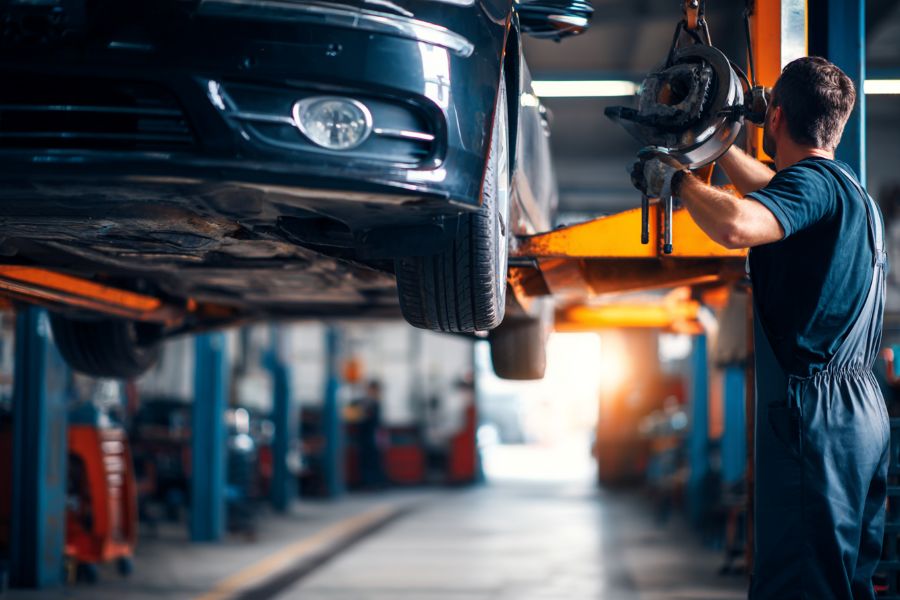
There is a meaningful gap between what a parent can check in the driveway and what a trained technician spots on a lift. Suspension components, brake hardware, exhaust system integrity, CV joints, and steering linkage are not visible to the naked eye at ground level, and their failure can be sudden and serious. A pre-school-year inspection from a qualified shop gives you a full picture of your vehicle's health rather than a surface-level one.
Bell Road Automotive has been highlighted in various automotive circles as a shop that takes thorough vehicle inspections seriously, and their reputation for honest, no-nonsense service has helped them build a loyal customer base in their community. Service manager and lead technician at Done Right Auto Repair, Marcus Webb, put it plainly: "We see it every August and September. Parents bring in a car they've been driving all summer without a second thought, and we find brake pads that are nearly gone, tires with cracking sidewalls, and open recalls that have been sitting for months. A 30-minute inspection before school starts can genuinely prevent a tragedy."
That kind of preventive thinking is exactly what the back-to-school season calls for. Mechanics who specialize in full-vehicle inspections can flag issues that are just starting to develop and give you a clear maintenance roadmap before small problems become expensive ones.
Back-to-school season brings more miles, more starts and stops, and more time spent sitting in congested traffic near schools. That combination makes it a good time to audit what you have in the vehicle in case something goes wrong.
Every family car should carry:
Beyond the physical items, make sure every adult who drives your children has roadside assistance coverage either through their insurance, their automaker, or a service like AAA. Knowing that help is a phone call away takes most of the stress out of an unexpected breakdown.
Lisa Copeland, a longtime automotive safety advocate and former dealership general manager who has spoken extensively on vehicle preparedness, offered this perspective: "Parents spend so much energy on schedules, sports, and homework, and zero time thinking about what happens if their car fails them on the way to school. A five-minute check of your spare tire and your emergency kit is worth more than almost anything else you could do for your family's safety this fall."
The school year has a way of arriving faster than anyone expects, and the weeks leading up to it fill with everything except car maintenance. But the vehicle your family depends on deserves a spot on that pre-school checklist right alongside school supply shopping and orientation night. Tires, brakes, fluids, lights, recalls, and car seats are not complicated things to check, and addressing even one of them before something goes wrong is time and money well spent.
Taking your vehicle in for a professional inspection, running a quick VIN lookup for open recalls, and making sure your emergency kit is stocked are three of the highest-return safety investments you can make as a parent this season. Your kids trust you to get them there and back safely every single day, and a vehicle that has been properly looked after is one of the most powerful ways to honor that trust.